


Skin cancer is a medical condition that involves unnatural cell growth in parts of the skin. Skin parts that come into contact with sun rays have a greater risk of developing skin cancer. Fortunately, treatments exist for almost all types of skin cancers, provided that the diagnosis happens during the early stages.
Many individuals will get skin cancer during their lifetime. This blog post will discuss the causes, risk factors, symptoms, and prevention of skin cancer.
Causes of Skin Cancer
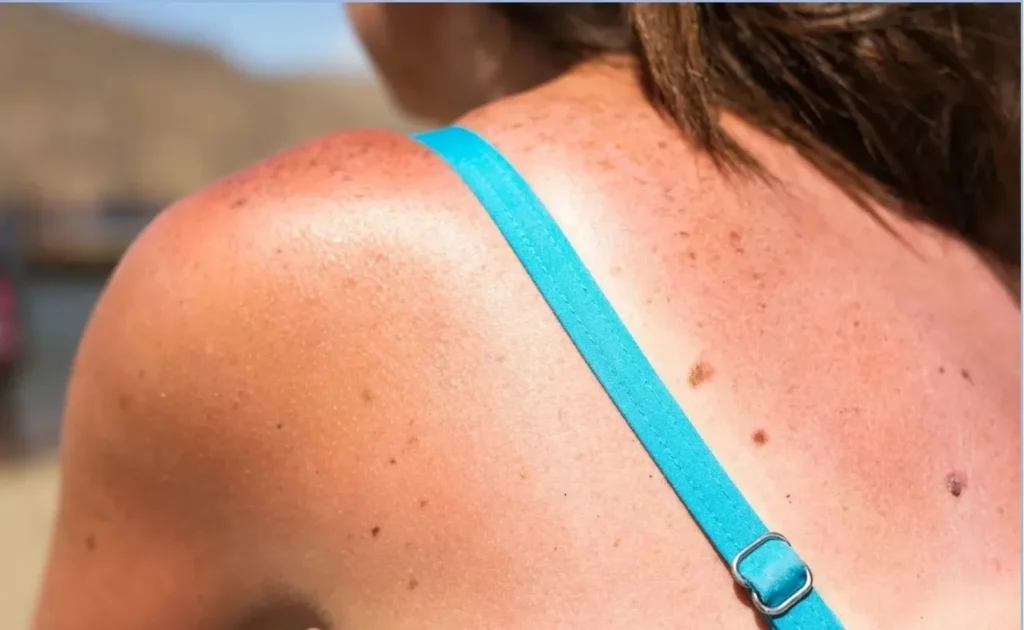
Excessive and prolonged exposure of various parts of the skin to sun rays can lead to skin cancer. The sun’s rays include UV light that can destroy or change the replication mechanisms of your skin cells. The risk is even greater if the exposure causes sunburn.
Skin cancer can also affect parts of the skin typically hidden from sunlight. These parts may become cancerous due to exposure to specific chemicals. For example, coal can cause skin cancer if the chemical touches your body.
Risk Factors of Skin Cancer
People with fair skin are more likely to develop skin cancer than individuals with abundant melanin. Individuals with green or blue eyes and blonde or red hair are also more prone to skin cancer. Additionally, those with a family history, who spend a lot of time in the sun, or who use tanning beds can be higher at risk as well.
Symptoms of Skin Cancer
Early diagnosis of skin cancer almost always results in successful treatment. Therefore, be on the lookout for skin cancer warning signs.
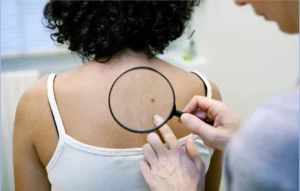
The most significant indications of skin cancer are changes to your skin. You may notice new and unnatural growths on your skin. For example, you may have a sore that refuses to go away or an increase in mole size.
These skin changes vary from one type of skin cancer to the other. Melanoma skin cancer causes irregularly shaped spots on the skin. Your skin may also adopt a new color in the affected areas.
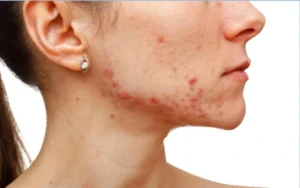
Basal cell carcinoma often causes spots on the face, ears, and neck. In some instances, the skin may have scars that occasionally bleed. Basal cell carcinoma can be fatal if it spreads to other parts of the body.
Another common type of skin cancer is squamous cell carcinoma. This type of skin cancer appears in the form of reddish or pinkish lesions. The lesions can pop up on the face, limbs, and mouth. You might also develop lesions on the genitals.
Prevention of Skin Cancer
You can take certain measures to avoid developing skin cancer. The most obvious way is to stay away from intense sun rays. Consequently, do your outdoor tasks in the early morning, late evening, at night, or in the winter.
Avoiding intense sun rays may be impossible, especially if your profession requires being out in the open. If you have to go out in the sun, apply sunscreen. The sunscreen won’t block all types of radiation but can protect your skin from the most harmful sun rays. Broad-spectrum sunscreen is the most ideal as long as you apply it multiple times during the day.
Some types of clothes can also safeguard your skin from intense radiation. For example, long-sleeve t-shirts and trousers can protect your legs and hands. Large hats also keep out strong overhead UV radiation.
Apart from the sun, other things can produce UV radiation. An example is a tanning bed that uses UV light. Avoid this to decrease your risk of skin cancer.
Skin cancer is an unfortunate condition that has a cure. But you need to work with a qualified dermatologist to treat the cancer and restore your skin to its former condition. Advanced Dermatology & Skin Cancer Specialists provides skin cancer treatment and cosmetic medication services. Contact us to get great dermatology services.