


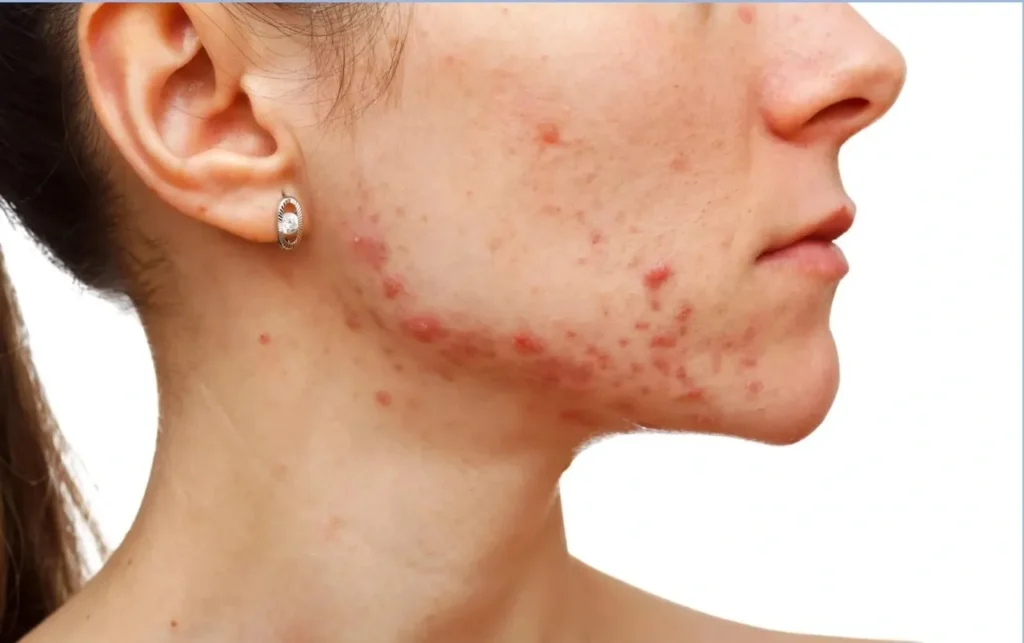
Most people only visit a dermatologist when they have a skin issue that needs addressing. However, a dermatologist can help diagnose and treat skin conditions, provide recommendations and advice on skincare, and offer cosmetic services. And besides helping you maintain healthy skin, regular dermatologist visits can help find skin problems such as skin cancer when they’re most treatable.
If you’re experiencing any skin condition, don’t wait to seek help — early diagnosis and treatment are key for preventing long-term damage to your skin and negative impact on your health. Read on to learn the key signs you need to book an appointment with a dermatologist.
Stubborn Acne
Severe acne may result from excess sebum production, hormonal changes, clogged pores, bacteria, and exposure to dirt, pollution, or other skin irritants that can aggravate acne. You may notice cysts or nodules, deep scars, pus-filled lesions, and blackheads if you have severe acne. If left untreated, severe acne can lead to permanent scarring.
If you’re experiencing severe, persistent acne covering a large area of your skin, you may need to see a dermatologist. A dermatologist can treat your acne and may also offer advice on how to prevent future breakouts.
Dry Patches
Is your skin dry, cracked, itchy, irritated, or covered in blisters and sores? If so, these could be symptoms of dry skin patches. Potential causes of dry skin patches on the skin include dehydration, aging, and exposure to harsh weather conditions.
Dry skin patches can signify a more serious skin condition, such as eczema or psoriasis. A dermatologist can help to determine the cause of the dry skin patches and prescribe the appropriate treatment. Your dermatologist can prescribe a moisturizer or cream to help you keep your skin hydrated. If the dry patches are caused by a skin condition, the dermatologist will diagnose and treat the underlying condition.
Growths and Moles
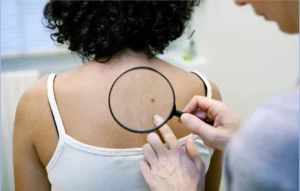
Sun exposure is one of the most common causes of growth and moles on the skin. This exposure can damage skin cells and make them grow abnormally, leading to the formation of moles or growths. Other causes of growths and moles can include genetics, age, and certain medical conditions.
Growth and moles on the skin can be either benign (non-cancerous) or malignant (cancerous). Benign growths and moles are usually just cosmetic concerns, but you need to have them checked by a dermatologist to ensure they are not cancerous. Malignant growths and moles can be life-threatening if not treated.
If you are concerned about any growths or moles on your skin, you need to see a dermatologist for evaluation. A dermatologist can perform a physical examination and may order tests to determine the cause of the growths or moles. In some cases, they may recommend surgery to remove the growths.
Varicose and Spider Veins
Varicose and spider veins can result from various causes, most of which are treatable with lifestyle changes and medical procedures. Common culprits for varicose and spider veins include pregnancy, age, genetics, obesity, sun exposure, or standing or sitting for long periods of time. If you have this condition, your vein can become inflamed, which may cause pain, swelling, or discoloration.
Varicose veins and spider veins are often linked to other health problems, such as skin ulcers and deep vein thrombosis. If you have varicose or spider veins, you should visit a dermatologist to rule out any potential health problems. Possible treatment for this condition may include sclerotherapy or laser treatment.
If you have any concerns about your skin or are experiencing changes that worry you, don’t hesitate to make an appointment with a dermatologist. At Advanced Dermatology & Skin Cancer Specialists, we’re board-certified dermatologists with more than 40 years of experience in providing top-quality dermatology care. Contact us today to schedule an appointment.