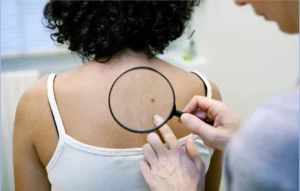




If you suspect you have psoriasis or think your condition is worsening, schedule an appointment with a reputable dermatologist. This skin problem is chronic and has no cure. The treatment you get will focus on helping you manage the symptoms.
Most people prefer holding off on visiting a dermatologist, but it’s always better to seek professional help. Below are the top reasons to call a dermatologist and schedule an appointment.
You Aren’t Sure Its Psoriasis
Since the appearance of psoriasis varies from one individual to another, it might be challenging to know if the symptoms you are experiencing are associated with this condition. You may have a few scaling spots on your skin, many eruptions covering significant areas, red-hot or itching surfaces at different times because psoriasis develops through cycles.
Some primary forms of psoriasis include:
- Plaque Psoriasis: Forms dry, reddish wounds with shiny scales all over the body, and the plaques are painful, irritating, and can bleed.
- Inverse Psoriasis: Forms inflamed areas with shiny, smooth, or red skin, and often develops under the breasts, genital area, and armpits.
- Guttate Psoriasis: Causes tiny pinkish spots on the legs, arms, and upper body and affects both kids and adults.
- Erythrodermic Psoriasis: This severe psoriasis can cover the entire body at the same time. The skin will appear like it has sunburns, but the areas will be itchy and painful and may develop scales that peel off.
See a dermatologist for a diagnosis once you notice any of these signs. They’ll confirm if it’s psoriasis and the actual type before providing treatment.
You Are Noticing New Symptoms
If your dermatologist has been helping you manage psoriasis for some time, you are already used to the common symptoms like soreness, skin blemishes, and swelling. But, if the treatment you are getting doesn’t work, you may start seeing some new symptoms like joint inflammation or extreme fatigue. Such signs often mean your condition is worsening, and you’ll need medical attention.
Your dermatologist will perform a diagnosis to determine why the initial treatment isn’t working, and create another treatment plan, mainly once they confirm the skin has built some resistance to the initial medication. So, don’t overlook any strange symptoms you get, even if they seem insignificant.
Your Life Isn’t as Enjoyable as It Was Before
It’s possible to have psoriasis and continue living your life like any other person. However, if the symptoms start impacting your life, you should see a skin specialist. Maybe you are avoiding social events like weddings and parties or work because you don’t want people to see your skin condition and judge you.
When you allow apprehension to take over, you will not go out in public for a long time, which will affect the quality of your life. Be sure to see a dermatologist whenever you feel like the condition controls your social or work life. They will share suggestions on how to hide the skin blemishes in a social or work setting so you can enjoy life and work.
Your Nail Appearance Is Changing Drastically
People with psoriasis can experience nail changes, which can affect one’s self–confidence. If you are on a new treatment, but the nails aren’t getting better, you shouldn’t stop taking your medication. The drugs take a while to work, so you will notice progress in several months.
However, if you take your medication and apply ointments as instructed for some months but the nails keep getting worse, you will need to see your dermatologist. They will likely provide advanced treatment targeting the affected nails. Don’t ignore any silvery scales or dandruff-like peeling on your scalp.
At Advanced Dermatology & Skin Cancer Specialists of Northern California, we encourage patients not to struggle with skin conditions like psoriasis on their own. Call us today to get customized treatment for psoriasis.