



Melanoma is a form of skin cancer that is associated with exposure to the sun and starts from skin cells called melanocytes. These cells are located in the basal layer of the epidermis. Melanocytes produce melanin, giving the skin its natural color and protecting you from UV rays. A mutation (genetic transformation) can cause these cells to divide uncontrollably, and thus they become cancer cells.
The melanoma cell mutations can happen due to the exposure to ultraviolet (UV) rays or you can acquire them during your lifetime. Some of the signs of melanoma to watch out for include the changes in the size, shape, and feel of a mole. This article will guide you on the risk factors associated with melanoma and how to prevent this skin cancer.
Risk Factors Associated With Melanoma
Below are some of the factors that put you at risk of melanoma.
Genetic Factors
You should find out whether a doctor has ever diagnosed any member of your family with melanoma. This is because melanoma can run in families. Researchers have estimated the heritability of melanoma to be 58 percent, with genetic factors such as the skin phenotype influencing the melanoma risk.
UV Exposure
UV exposure is one of the leading environmental risk factors for melanoma. You could get UV exposure from the sun, indoor tanning beds, or booths. The UV rays damage DNA in your skin cells. UV contains three sub-bands: UVA, UVB, and UVC. UVB radiation appears more closely associated with melanoma.
Age
Melanoma can occur to all people, irrespective of age. However, the risk of melanoma increases with age. Doctors detect most melanoma cases in older people.
Weakened immune system
Conditions such as diseases and viruses suppress the immune system. You risk developing skin cancer, including melanoma, if you have a weakened immune system.
Ways to Prevent Melanoma
Here are some preventative measures you can adopt to limit your risk of melanoma:
Wear Sunscreen and Protective Clothing
It would be best to protect yourself from harmful ultraviolet radiation by applying sunscreen daily. You should use at least a sun protection factor (SPF) of 30. You could opt for a broad spectrum that protects against UVA and UVB rays. You could also opt for protective clothing like hats, sunglasses, and cotton shirts that properly cover your shoulders, chest, and back.
Watch for Abnormal Moles
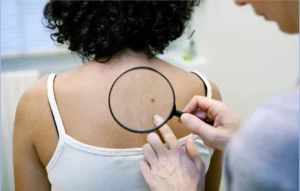
Examine your skin often for any new or abnormal moles or new skin growths and if you find any, show them to your doctor for treatment. You should check yourself from head to toe regularly.
Avoid Tanning Lamps and Beds
Tanned skin is damaged skin, and irrespective of your age, you should avoid indoor tanning to protect yourself from melanoma. Notably, it’s not safe to tan outdoors.
Avoid Weakening Your Immune system
Your behaviors and choices play a role in your health outcomes. There are many ways you could strengthen your immune system. For instance, you could avoid smoking, minimize stress, exercise regularly, keep up with your vaccines, and maintain a healthy diet. If you have a robust immune system that can fight back against germs, you may reduce the risk of developing melanoma.
Skin cancer is treatable when caught in its early stages. And if you have any dermatology-related problems in your home, you should not wait for the problems to grow bigger. You should seek the services of experienced dermatology and skin cancer specialists for guidance and treatment.
And one such service provider is Advanced Dermatology & Skin Cancer Specialists of Northern California. We are experts in medical, surgical, and cosmetic dermatology. Contact us today for the best professional dermatology services. We prevent disease and prolong life!