


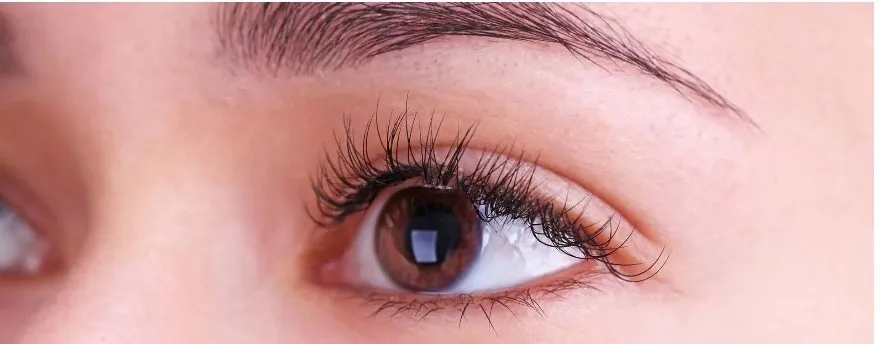
A full, lush set of eyelashes counts as a definite plus by modern society’s standards of physical attractiveness. Whether you hold yourself to such cosmetic standards or not, you may not like what your sparse or thin eyelashes do to your looks. Fortunately, you can grow thicker, denser eyelashes with the aid of a medication called Latisse.
You’ll have a better idea about whether to try Latisse and what to expect from this kind of treatment once you’ve acquainted yourself with some basic facts about it. Take a look at some frequently asked questions and their answers before making that initial appointment with your dermatologist.
Why Do People Lose Their Eyelashes?
Everyone grows and loses eyelashes in an ongoing natural cycle. It normally takes six to ten weeks for an eyelash to emerge from its hair follicle, grow to a certain length, and then finally fall out. When some internal or external factor interferes with this cycle, you may lose eyelashes faster than you can replace them.
Hormonal imbalances, notably changes in thyroid hormone production, can cause your eyelashes to grow sparse. Other potential causes include allergic reactions, a chronic eyelid inflammation called blepharitis, friction from eye rubbing or sleep mask use, and false eyelashes that yank out your real eyelashes upon removal.
How Does Latisse Spur New Eyelash Growth?
Latisse’s eyelash growth mechanisms remain something of a mystery to the medical community. Eye doctors discovered this effect accidentally when glaucoma patients who received a medication called bimatoprost grew thicker, longer eyelashes. The Food and Drug Administration later approved the active ingredient in this medication for cosmetic purposes.
Latisse appears to achieve its eyelash-enhancing effects in a few different ways. The drug not only causes more eyelashes to sprout, but it also encourages those additional eyelashes to grow longer and remain in place for a longer time before falling out. It can even make your eyelashes appear darker and thicker.
What Should You Expect From Latisse?
If your dermatologist prescribes Latisse for your thin eyelashes, you’ll receive the product in liquid form with a set of sterile applicators. You’ll apply this liquid around the rim of your upper eyelid on a nightly basis. You don’t need to apply it to the lower eyelids because normal blinking takes care of that task for you.
Latisse doesn’t create new eyelashes overnight. You may need to wait for several weeks before the effects grow apparent, and several more weeks before the eyelashes reach their maximum length and fullness. If you stop using Latisse regularly, you can expect your eyelashes to return to their former state.
What Risks and Contraindications Should You Consider?
Keep in mind that the same active ingredient in Latisse that promotes eyelash growth can also affect your eyes. If you have glaucoma or some other internal eye condition, check with your eye doctor before using Latisse. Latisse can also promote dryness or make the whites of your eyes look red and bloodshot.
One potential side effect of Latisse appears irreversible, if also purely cosmetic and therefore harmless. Some glaucoma patients who use its active ingredient regularly notice that their irises develop more brown pigment and turn darker. Careful application to your eyelid line may help you avoid this side effect.
Other conditions may determine whether you make a good candidate for Latisse. For instance, pregnant women, breastfeeding women, and people under the age of 18 shouldn’t use Latisse at all. If you have concerns, ask your dermatologist or primary care physician whether you should use this medication.
In addition to the evaluation and treatment of skin diseases, Advanced Dermatology & Skin Cancer Specialists of Northern California offers Latisse and other medical cosmetic treatments. If you want to regrow your eyelashes as safely and effectively as possible, contact our skilled team today so we can discuss whether Latisse makes sense for you.