


Warts are non-malignant skin growths that mainly appear when an individual is infected with the human papillomavirus (HPV). These skin warts are often located on fingers, hands, or the genital area. Warts often feel rough and resemble your skin color. However, in some cases, they can be dark-colored and may feel flat and smooth. This blog discusses essential information you should know about warts.
What Causes Warts?
HPV is the primary cause of warts. It induces the rapid growth of keratin, forming complex and grainy spots on the skin’s top layer. Thus, since HPV is a sexually transmitted disease, individuals can acquire it by having sexual skin-to-skin contact with infected persons. Additionally, because it is highly contagious, the virus can spread to other body parts through cuts, sucking fingers, biting nails, and scratching warts.
Ultimately, having abrasions or skin wounds can increase the risk of HPV infection, inducing warts, among other issues. The risk of on-setting warts is high in individuals with weak immune systems. However, since everyone’s immune system responds differently to the virus, not everyone exposed to HPV will develop warts.
What Are the Differences Between Warts and Genital Skin Tags?
Many people confuse warts and genital skin tags as both are common skin infections. Moreover, they share some symptoms; both are non-cancerous but painful. However, they differ based on their causes and presentations.
Causes
Warts are caused by the HPV virus and spread through contact, whereas genital skin tags are not sexually transmitted and are non-contagious. Skin tags are caused by other health conditions, including diabetes, genetics, or obesity.
Appearance
Warts are rough with irregular surfaces. They are primarily brown but may shift to black. On the other hand, skin tags are smooth, and their color ranges from light brown to dark brown. Additionally, warts are flat or slightly raised, while skin tags are raised with a fleshy stalk.
Growth Pattern
Warts may disappear only to grow in another spot in your body, while genital skin tags rapidly develop but eventually stop growing.
How Are Warts Diagnosed?
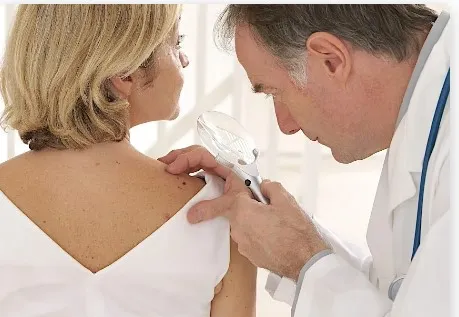
Suppose you notice grainy bumps and skin growths irritating to the touch. Consult a dermatologist for professional remedies. The dermatologist will examine your skin and confirm or rule out warts.
Your dermatologist may also perform a biopsy if the clinical symptoms are inadequate for accurate diagnosis.
What Are Some Common Warts Treatment Options?
Although warts are benign, they can cause distress and pain when scratched or touched. Thus, your doctor may recommend treatment. Some of these treatment options include:
- Laser treatment: This is a minor procedure where your doctor uses a laser to cut off the blood supply, destroying the wart.
- Drug prescription: Your doctor may prescribe wart removal products such as ointment and pads containing salicylic acid or a liquid mixture containing cantharidin. They all work to cut off blood circulation, killing warts.
- Cryotherapy Treatment: This procedure allows your doctor to use liquid nitrogen to freeze warts. The wart will dry and peel off following treatment.
- Duct tape remedy: Studies show covering warts with duct tape for about 4 to 7 days prevents them from spreading. The duct tape’s adhesion can also remove a few layers of the wart. However, you should not use this method without professional medical assistance.
- Excision procedure: In extreme circumstances, you may undergo minor surgery to remove warts manually. You do not need to be admitted prior to the surgery.
Consult a dermatologist when you notice unusual skin lesions. Patients in California may book an appointment with Advanced Dermatology of Northern California for professional care. Our dermatologists will diagnose your skin condition and prescribe an effective treatment regimen.