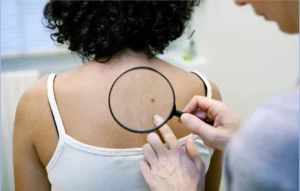




Routine visits to a dermatologist can be one of the best ways to keep your skin healthy and looking great. Regular checkups and essential care, such as applying sunscreen every day, can help to reduce many of the unsightly effects of aging on your skin. However, many skincare options can add an extra level of effectiveness in your fight against wrinkles and other blemishes.
Retinoids are one class of highly effective treatments for dealing with fine lines and wrinkles and even preventing them over the long term. These drugs are available both over-the-counter and as a prescription, with prescription versions offering greater strength. If you think a prescription retinoid might be appropriate for your situation, discover four things you need to know.
1. You’ll Need to Talk to Your Dermatologist
Prescription-strength retinoids are more potent than those found over the counter and have several medical uses, including acne treatment. While you can buy retinol (a weaker retinoid) over the counter, medications such as tretinoin will require a prescription from your dermatologist. While these medications are popular as a skincare option, they won’t be the right choice for every individual.
Talking with your dermatologist to determine if tretinoin or another prescription-strength retinoid is appropriate for you should be your first step. Your dermatologist will need to consider your specific skin concerns and any history of skin sensitivity. These factors will help them determine if you may have a better option for your particular case.
2. You May Need to Start Slowly
If you’ve used over-the-counter retinol before, you may already know that it can produce side effects such as dry skin or reddening. These topical treatments can also cause noticeable amounts of skin peeling in severe cases. This process is typically known as retinization, and it may last anywhere from a few weeks to a few months.
Your dermatologist will recommend the best way to get started with a prescription-strength retinoid to avoid the worst side effects. This advice may include starting slowly or applying the topical cream only on certain days. As your skin adjusts, you’ll be able to work your way up to more frequent applications without suffering the same side effects.
3. You Might Need to Adjust Your Routine
Even if you don’t suffer any significant retinization effects, your skin may still be more sensitive during your initial adjustment period. As a result, you may find that some of the skincare products you’ve used will react more harshly with your skin. Your dermatologist will most likely recommend a reduced skincare routine to help avoid these effects, at least during the first month or two of usage.
If you aren’t sure, discuss your current skincare routine with your dermatologist. They may be able to suggest more gentle alternatives or recommend products that are unlikely to irritate your skin. Following this advice will help you avoid as many issues as possible while your skin adjusts to routine retinoid use.
4. You Should Keep Your Dermatologist Updated
Retinoids aren’t a product that produces immediate results. Instead, long-term use of retinoids can help clear up your skin and minimize many of the effects of aging. However, prescription-strength retinoids are strong enough to be irritating and can produce more severe side effects. Keep your dermatologist updated during your first few months, and let them know about any issues you face.
In some cases, your dermatologist may change your prescription to a weaker retinoid or suggest that you reduce the frequency of applications. Since you’ll see the best results by sticking with retinoids over the long run, follow this advice and allow your skin to acclimate slowly. Although this may mean that you need longer to see results, the payoff will ultimately be worth it in the end.
At Advanced Dermatology & Skin Cancer Specialists of Northern California, we have experience in all aspects of cosmetic dermatology. Our physicians can advise you on the benefits of retinoids as well as many other options for skin care and treatment. Give us a call today to schedule your appointment.