


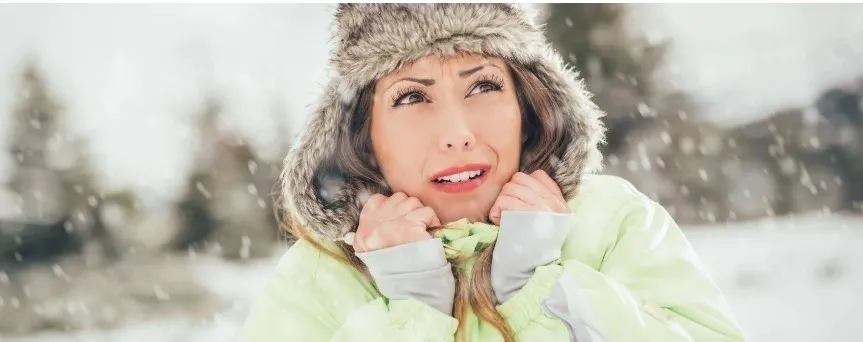
Winter conditions can have negative effects on your skin. The dry and cold outdoor breeze and the low humidity levels indoors can irritate the skin and cause dehydration. Eventually, your skin will start to itch and become flaky. Here are skin conditions that become common in winter.
1. Acne
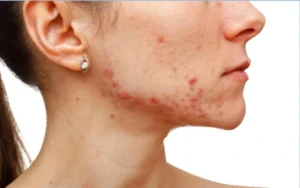
Acne typically develops due to dead skin cells, bacterial infection, and clogged pores. The onset of winter can also lead to acne even if you don’t generate much oil on your skin. That is because some people may drink less water in winter than in other seasons, leading to dehydration. Acne generally affects the upper arms, neck, chest, shoulders, and face.
2. Chafing
Chafing is a skin condition that may occur for multiple reasons, such as the rubbing together of the inner thighs. Excessive and repetitive friction damages and exposes the outermost layer of your skin. Damage to the outermost layer causes discomfort and irritation. The condition is more common in winter due to the dry air.
3. Chapped Lips
The low humidity during the winter months can lead to chapped lips. The condition can affect any person who has dry skin. Since the skin layer on the lips is very thin, the lips are likely to suffer the most due to low humidity and dry wind in winter. The result will be cracking and splitting that doesn’t heal quickly and may eventually become painful.
Chapped lips can also develop if you continuously lick your lips while outdoors in the cold. Consistent licking leads to irritation and can make the condition worse. Also, individuals taking lithium, retinoids, and vitamin A supplements are at a greater risk. Chemotherapy drugs can also lead to chapped lips.
4. Eczema
Eczema leads to skin irritation, dryness, and itchiness. The condition typically appears on the face, hands, knees, and elbows. Eczema usually worsens when water touches and settles on the skin, particularly if you bathe multiple times a day.
5. Raynaud’s Disease
If you’re suffering from Raynaud’s disease, your blood vessels will constrict and spasm if your body becomes too cold. This causes the skin in the affected area to become paler than healthy skin. Continued exposure to extreme cold can lead to deep purple spots on the skin. When you finally become warm, the skin will become tingly, swollen, and red.
6. Winter Rash
Winter rash refers to a general condition in which the cold and dry air of winter causes the skin to become itchy, scaly, and reddish. The rash also causes irritation to the skin. Other common symptoms include itching, bumps, and cracks on the skin.
7. Cold Urticaria
Cold Urticaria is when the body has an allergic reaction due to cold conditions. The allergic reaction causes temporary hives to appear on exposed skin. Your hands may also start to swell if you touch cold objects. Sometimes, the lips swell when you consume cold drinks or foods.
8. Chilblains
The low temperature in winter causes tiny vessels on the toes and fingers to constrict. The constriction reduces the flow of oxygen and blood to these body parts. Insufficient oxygen causes itching and pain in a condition commonly called chilblains. The fingers and toes may also change to purple as the condition develops.
9. Psoriasis
Reddish spores on the scalp and skin may indicate an autoimmune skin condition called psoriasis. While many factors can cause psoriasis, the condition can get worse in winter due to dry air. You can use moisturizers to control the condition, but this may not always be helpful.
Skin conditions can change your skin color, cause discomfort, and result in extreme pain. Fortunately, a dermatologist, like those at Advanced Dermatology & Skin Cancer Specialists, can treat the condition. We have a qualified staff with more than 40 years of experience in providing the best dermatology services. Contact us for more information.